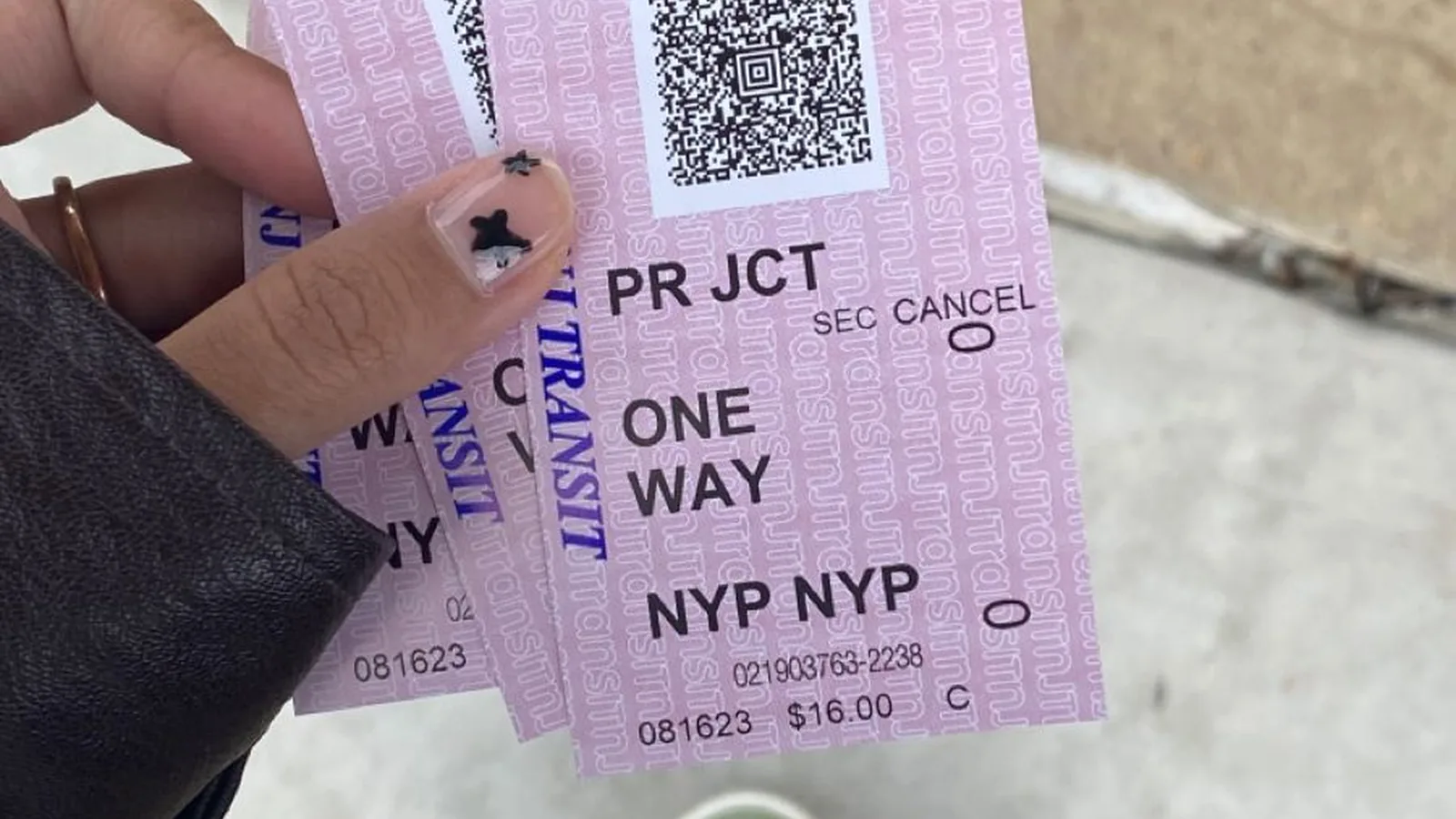
NJ TRANSIT’s current rules are easiest to understand if you separate when a ticket expires unused, how long it stays valid after activation, and whether it can be refunded or replaced. The biggest recent change is that many single-use tickets now expire after 30 days, including in the mobile app. NJ TRANSIT also generally does not refund one-way or round-trip tickets, while monthly and some weekly or 10-trip products may be refundable under stricter rules. See the agency’s mobile ticket FAQ and ticket pages for the controlling policy language.
The short version
Here is the practical bottom line for most riders:
- One-way and round-trip tickets: expire in 30 days including the date of purchase in the NJ TRANSIT mobile app, and NJ TRANSIT says it does not issue refunds for one-way or round-trip tickets. Bus tickets, train tickets, and the mobile app FAQ all reflect this policy.
- 10-trip tickets: mobile 10-trip tickets also expire in 30 days including the purchase date. Unused paper 10-trip tickets may be refundable if you submit all unused parts and they have not been punched.
- Monthly and weekly passes: these do not work like single-use tickets. Their value depends on the validity period, and refunds are usually reduced if the request is made after the pass becomes valid.
- Activated mobile tickets: once activated, the ticket becomes time-limited and cannot be paused. Train tickets are valid for 2 hours 45 minutes after activation; bus tickets for 30 minutes intrastate or 60 minutes interstate; light-rail tickets for 60 minutes on Newark Light Rail and Hudson-Bergen Light Rail, and 75 minutes on River LINE, after a 3-minute delay before they become valid.
- Service disruptions: if NJ TRANSIT formally announces cross-honoring, you usually do not need to buy another ticket to use the alternate service listed in the announcement.
- Replacement: NJ TRANSIT says it generally will not replace lost tickets or passes, but there is a limited once-in-a-lifetime replacement policy for certain stolen or damaged monthly passes if specific conditions are met.
Expiration vs. activation: the key distinction
A lot of confusion comes from mixing up two different clocks.
1) Expiration of an unused ticket
For mobile tickets, NJ TRANSIT says that one-way, round-trip, and 10-trip tickets expire in 30 days, including the date of purchase. In the app FAQ, NJ TRANSIT states this directly and notes limited exceptions for certain Metro-North-related products. The app also says mobile one-way and round-trip tickets are valid until activated within that expiration window. See the mobile app FAQ and app overview.
2) Validity after activation
Activation starts a separate, shorter use period. NJ TRANSIT’s app FAQ lists the current active-use windows:
- Train ticket: valid for 2 hours 45 minutes after activation.
- Bus intrastate ticket: valid for 30 minutes after activation.
- Bus interstate ticket: valid for 60 minutes after activation.
- Newark Light Rail ticket: valid for 60 minutes, but only 3 minutes after activation.
- Hudson-Bergen Light Rail ticket: valid for 60 minutes, with the same 3-minute activation delay.
- River LINE ticket: valid for 75 minutes, also after the 3-minute delay.
- Rail weekly pass: auto-activates at 12:01 a.m. Saturday and remains valid until 6:00 a.m. the following Saturday.
- Rail monthly pass: auto-activates at midnight on the first day of the month and stays valid until noon on the first business day of the following month in the mobile app FAQ. Bus and light-rail monthly passes run through midnight on the last day of the month in the app tables for those modes. See the mobile app FAQ and the train tickets page.
Rules by ticket type
One-way tickets
Mobile one-way tickets
Current NJ TRANSIT policy says mobile one-way tickets expire 30 days from purchase, including the purchase date, and are non-refundable. They remain unused and available in the app until you activate them, but once you do, the active clock starts and you cannot stop it. See the mobile ticket FAQ and app page.
For riders, that means buying a stack of one-way mobile tickets “for later” is no longer a good long-term strategy.
Paper one-way tickets
NJ TRANSIT’s rail and bus ticket pages state plainly that the agency does not issue refunds for one-way tickets. That is the policy to assume unless NJ TRANSIT itself announces a special accommodation during a disruption. See the train tickets page and bus tickets page.
Round-trip tickets
Round-trip tickets are treated much like one-way tickets for refund purposes.
- In the mobile app, round-trip tickets expire in 30 days including the purchase date.
- NJ TRANSIT says it does not issue refunds for round-trip tickets.
That rule appears on both the agency’s train tickets page and bus tickets page, and the 30-day mobile expiration appears in the mobile app FAQ.
10-trip tickets
The user asked mainly about one-way, round-trip, weekly, and monthly products, but 10-trip tickets matter because NJ TRANSIT handles them differently from single-use tickets.
- In the mobile app, 10-trip tickets expire in 30 days including the date of purchase.
- Refunds for paper 10-trip tickets may be available only if the entire set is wholly unused when presented to a ticket seller, and mail refunds require that all individual parts be submitted and not punched.
- NJ TRANSIT says exchanges are not permitted for unused 10-trip tickets.
Those rules are on the mobile app FAQ, train tickets page, and bus tickets page.
Weekly passes
Weekly passes are mainly a rail product in the current NJ TRANSIT materials cited here.
Validity
NJ TRANSIT’s mobile FAQ says a rail weekly pass auto-activates at 12:01 a.m. Saturday and remains valid until 6:00 a.m. the following Saturday. The rail tickets page also notes that weekly rail passes valued at $20.50 or more can be used for one-zone bus trips and on any light rail line. See the mobile app FAQ and train tickets page.
Refunds
NJ TRANSIT’s rail page says:
- A weekly pass submitted before the start of its validity period is refunded at the purchase price.
- A weekly pass submitted after the validity period starts has two full one-way fares deducted for each business day from the beginning of the validity period to the refund-request date.
- The postmark date is treated as the refund-request date for mailed requests.
These rules appear on the train tickets page.
Monthly passes
Monthly passes have the most detailed refund and replacement rules.
Validity
- A rail monthly pass is valid for unlimited trips between the two stations on the pass during the calendar month, and the rail page says it remains valid until noon of the first business day of the following month.
- In the mobile app tables, bus monthly passes and light-rail monthly passes auto-activate at midnight on the first day of the month and remain valid through midnight on the last day of the month.
- Rail monthly passes above certain fare thresholds can also be used on buses and light rail. The rail page says a monthly rail pass valued at $67 or more can be used on any NJ TRANSIT light rail line and on buses up to the zone equivalency printed or assigned to the pass. See the train tickets page and mobile app FAQ.
Refunds
NJ TRANSIT’s bus and rail pages use the same monthly-pass refund framework:
- If the monthly pass is submitted before its validity period starts, the refund is the full purchase price.
- If it is submitted after the validity period starts, NJ TRANSIT deducts two full one-way fares for each business day from the start of the pass period to the refund-request date.
- For mailed requests, the postmark date controls.
- Refunds are generally issued within six weeks after the Refund Department receives the request.
- Credit/debit purchases are refunded as a credit back to the payment card; cash purchases are refunded by NJ TRANSIT check.
See the train tickets page and bus tickets page.
Activated tickets: can you refund them?
As a practical matter, activated tickets are much harder or impossible to refund because activation means the travel value has started running. NJ TRANSIT’s app FAQ says activated tickets are time-limited and cannot be paused or reused after expiration. It also says some tickets and passes may be eligible for refunds under NJ TRANSIT’s refund policy, which means the ticket’s status and type matter. See the mobile app FAQ.
For single-use products, riders should assume that activating a ticket starts use and undermines refund eligibility. If the issue is a service problem rather than buyer’s remorse, the better question is often whether NJ TRANSIT announced cross-honoring instead.
What happens during service disruptions?
NJ TRANSIT’s official cross-honoring page explains that when major disruptions occur, the agency may announce that tickets or passes for one mode will be accepted on another NJ TRANSIT mode or on partner services such as PATH, PATCO, or certain private carriers. Cross-honoring is not automatic; it is in effect only when NJ TRANSIT announces it.
Important rider points:
- If cross-honoring is announced, you usually do not need to buy an extra ticket for the listed alternate service.
- Not every disruption triggers cross-honoring.
- The arrangement typically lasts for the affected service day, unless NJ TRANSIT says otherwise.
- If an operator or conductor does not recognize the cross-honoring notice, NJ TRANSIT says you may need to pay and keep the receipt, then contact customer service for help.
That means for disruption-related issues, riders should first check whether there is an official cross-honoring notice before pursuing a refund claim. See the cross-honoring page.
Replacement rules for lost, stolen, or damaged tickets and passes
NJ TRANSIT’s published operating rules state that it will not replace lost tickets or passes as a general rule. But there is a narrow exception for certain monthly passes:
- Stolen monthly passes may be replaced if NJ TRANSIT receives a police report from the jurisdiction where the pass was stolen.
- Damaged monthly passes may be replaced if NJ TRANSIT can still determine the month/year, pass type, zone or origin/destination, and authenticity.
- A monthly pass replacement is limited to once in a customer’s lifetime under that policy.
This language appears in NJ TRANSIT’s published rail operations rules and is consistent with NJ TRANSIT’s WorkPass guide. Because these materials are operational-policy documents rather than the consumer ticket pages, riders should still confirm details with NJ TRANSIT customer service before relying on a replacement. See the rail operations rules PDF and WorkPass guide.
How to submit a refund request
NJ TRANSIT separates refund handling by purchase method.
If you bought in the mobile app
For bus and rail refund inquiries involving tickets or passes bought in the app, NJ TRANSIT says to submit the refund request directly through the app. If needed, you can also use the agency’s Contact Us channel or call NJ TRANSIT Customer Service at (973) 275-5555. See the train tickets page, bus tickets page, and app page.
If you bought paper tickets or passes
For mail refund requests, the rail and bus pages direct riders to the Refund Department at:
NJ TRANSIT
2 Gateway
283-299 Market Street
Newark, NJ 07102
The rail page labels this as the Rail Refund Dept., while the bus page labels it as the Bus/Light Rail Refund Dept. The address shown is the same on the ticket pages. See the train tickets page and bus tickets page.
If you bought through a third-party commuter-benefit provider
NJ TRANSIT says that if your pass came from Health Equity, Edenred, or TransitChek, you must return it to the third-party provider, not directly to NJ TRANSIT. See the train tickets page and bus tickets page.
Is there a processing fee?
In the current NJ TRANSIT consumer ticket pages reviewed here, the standard bus and rail refund rules do not list a general processing fee for regular NJ TRANSIT ticket refunds. Instead, the agency’s main refund reductions come from the two full one-way fares per business day deduction for monthly or weekly passes submitted after validity starts. See the train tickets page and bus tickets page.
NJ TRANSIT does mention a $10 processing fee in a special context for certain Metro-North refund handling in an operations document, but that is not the general rule for ordinary NJ TRANSIT rail, bus, or light-rail products discussed above. See the rail operations rules PDF.
Bottom line
If you want the safest working rule, use this one: NJ TRANSIT single-use tickets are now short-shelf-life products. One-way, round-trip, and mobile 10-trip tickets generally expire after 30 days, and one-way and round-trip tickets are not refundable. Monthly and rail weekly passes can be refundable, but the refund shrinks quickly once the validity period starts because NJ TRANSIT deducts two full one-way fares per business day. Activated mobile tickets are time-limited, and disruption situations are usually handled through cross-honoring announcements, not automatic refunds. For app purchases, file through the app first; for paper products, use NJ TRANSIT’s refund channels and keep an eye on the postmark date.